Guest post by Michael Shaw.
Like many of you, I’m a fan of the sweets. But I’ve also come to the point where I’ve realized that even moderation might be a little too much- that I’m even better off if I can cut down on sugar-based foods even a little bit more than that. So the question then becomes: Is it possible to maintain a sweet tooth, while simultaneously consuming very little sugar in your diet? I’d sure like to think so, since it’s become a key lifestyle choice, even though it sounds contradictory. It didn’t happen overnight: over the years, I’ve become more and more aware that the less sugar I consume, the healthier I am; it’s an idea that’s been around since the ‘70s, but one that has become both more present and more nuanced, thanks in part to the growth of unrefined sugar alternatives. Even if you’re skeptical about the dangers of sugar, you’d have to agree that the less of it you eat generally, the better you feel about indulging in it when you do decide to go sugar crazy.
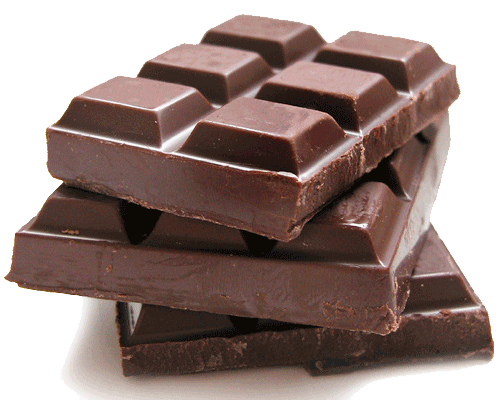
There is in fact a certain sweet thing that tastes indulgent while containing far less sugar than your typical snacks or desserts – your candy bars, cakes, brownies and the like – and that’s dark chocolate. By the way, one reason that such classic desserts, aka classic junk foods, are so taxing on our system is because in addition to their having a high percentage of refined sugars, they’re also heavy on refined white flours, which are empty carbohydrates that in turn become yet another source of sugar.
Chocolate can be a sweet indulgence that’s also a healthier choice. Over the last decade or so, dark chocolate has transformed into an industry unto its own, part of the whole ‘superfood’ phenomenon. The benefit to this exploding trend is all the resulting dark chocolates out on the market that are both high quality and, if you look carefully, affordable. Let’s talk briefly about what I mean by dark chocolate, and what’s so great about it. When I say ‘dark chocolate,’ I’m referring to dark chocolate bars, not dark chocolate candies, the variety that tend to be covering nougats, or as the coating to truffles, etc. I’m just talking about the bars that are devoted only to dark chocolate itself.
And what’s so great about dark chocolate, then? Well, besides being associated with the much talked about antioxidant resveratrol, dark chocolate is lower in sugar than its more typical milk chocolate-based cousin, and can be much lower in sugar, depending on the percentage of cacao (or cocoa) you choose. I would recommend the highest percentage you can acclimate yourself to. In other words, if you’re used to milk chocolate, or chocolate bonbons, or chocolate candies, then a 70% cacao dark chocolate is probably going to taste quite bitter to you. But here’s the thing: try starting with a 50-60% cacao chocolate, and make that your only chocolate indulgence, at least for a day or two. Gradually, you’ll be able to make your comfort zone darker and darker, to the point that you can get into the 80% range while the chocolate will still taste sweet, as well as satisfying, to you.
And here’s where you can begin to see health benefits as far as reducing your sugar consumption: the more cacao that’s in your chocolate, the less sugar. And the less sugar, the more you can indulge! Well, you know- within reason, of course! Just to illustrate this for you, let’s take my favorite dark chocolate maker, Endangered Species (a brand which not only makes Fair Trade chocolate, they also donate 10% of their profits to species and habitat-devoted organizations): their 88% dark chocolate has 5 grams of sugar per 43 gram half-bar serving; their 48% milk chocolate bar, meanwhile, has 15 grams of sugar per 43 gram half-bar serving… three times the amount of sugar! The dark chocolate has almost the same amount of calories, and more fat (from all the cacao), though, so I would advise limiting yourself to a half bar at the very most per day. But sugar-wise and satisfaction wise, dark chocolate can be a great indulgence alternative. So then – onto healthier pastures!
Michael Shaw writes about food and nutrition, including refined sugar-free protein bars, at his website, No Flour, No Sugar Diet.