Guest Post by Brianna Elliott
Kids drink them to get “hyper.” Students drink them to stay awake during class and late into the night to study. Working adults drink them to stay alert throughout the day. Sound familiar? Energy drink have been becoming more popular and that’s not a good thing. Most of these caffeine-filled drinks contain substances in high amounts that can be hazardous to anyone’s health.
First of all, energy drinks can cause high blood pressure. It should be a given because of the amount of energy-inducing in
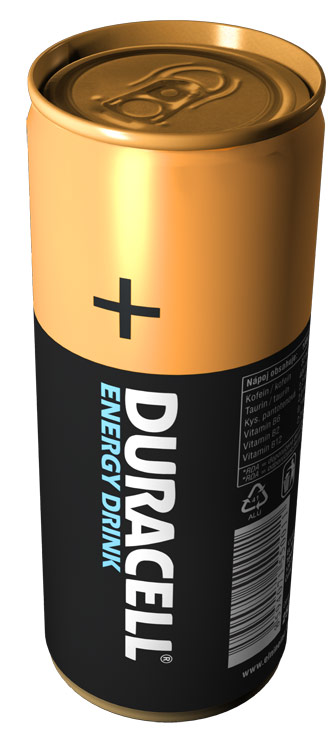
Via TheReviewCrew
gredients they contain. Although drinking a few sips of an energy drink may not cause any harm, most of the time people drink them faster and in larger amounts to get the best effect. It’s known that individuals consume energy drinks much faster than coffee, which is a huge concern. Long term usage of these drinks can cause more than just temporary high blood pressure, and people who already have high blood pressure should always avoid them.
Another concern about energy drinks is that they can cause some people to have adverse reactions. People may become nauseous and vomit, or become dizzy and numb. Some patients have reported tremors as well. These are obviously not healthy “side-effects” especially when students and workers are consuming them.
It is also known that individuals may mix energy drinks with other substances, like alcohol or drugs. Doing so can lead to various health problems and can even be fatal.
If one consumes highly caffeinated energy drinks over a long time, the possibility exists that it might alter blood-flow and minimize insulin sensitivity. Therefore, regular usage of energy drinks increases one’s risk for developing diabetes. Some of them are high in sugar as well, another risk that can lead to or worsen diabetes.
Sleep problems are also likely among energy drinkers. They are a stimulant and have the ability to keep you awake for a long period of time if you drink too much. If you’re looking to get a good night’s sleep, don’t drink an energy drink in the evening, or possibly even in the afternoon. All energy drinks are different, so some may contain more caffeine or different ingredients than others.
One chief concern about energy drinks is that they are considered “dietary supplements.” This means that they are not regulated by the FDA and potentially harmful ingredients could be placed in them. The manufacturers don’t have to follow strict limits for ingredients that other items such as soda do.
Remember that moderation is key. If you have a can every once and a while and drink it slowly, you will most likely be fine. It’s when people are regularly drinking them that problems arise. Energy drinks can be even more harmful to children, so try your hardest to keep kids away from them for as long as possible.
Brianna Elliott is a third year dietetics student and has grown a passion for nutrition through her years of studying. She thinks it’s important for people to be knowledgeable on the resulting health detriments associated with energy drinks. Brianna wants everyone to know that although energy drinks can be useful for a quick “pick-me-up”, there are better alternatives out there like CO Q-10. She is also a regular contributor at ProbioticSmart.com.